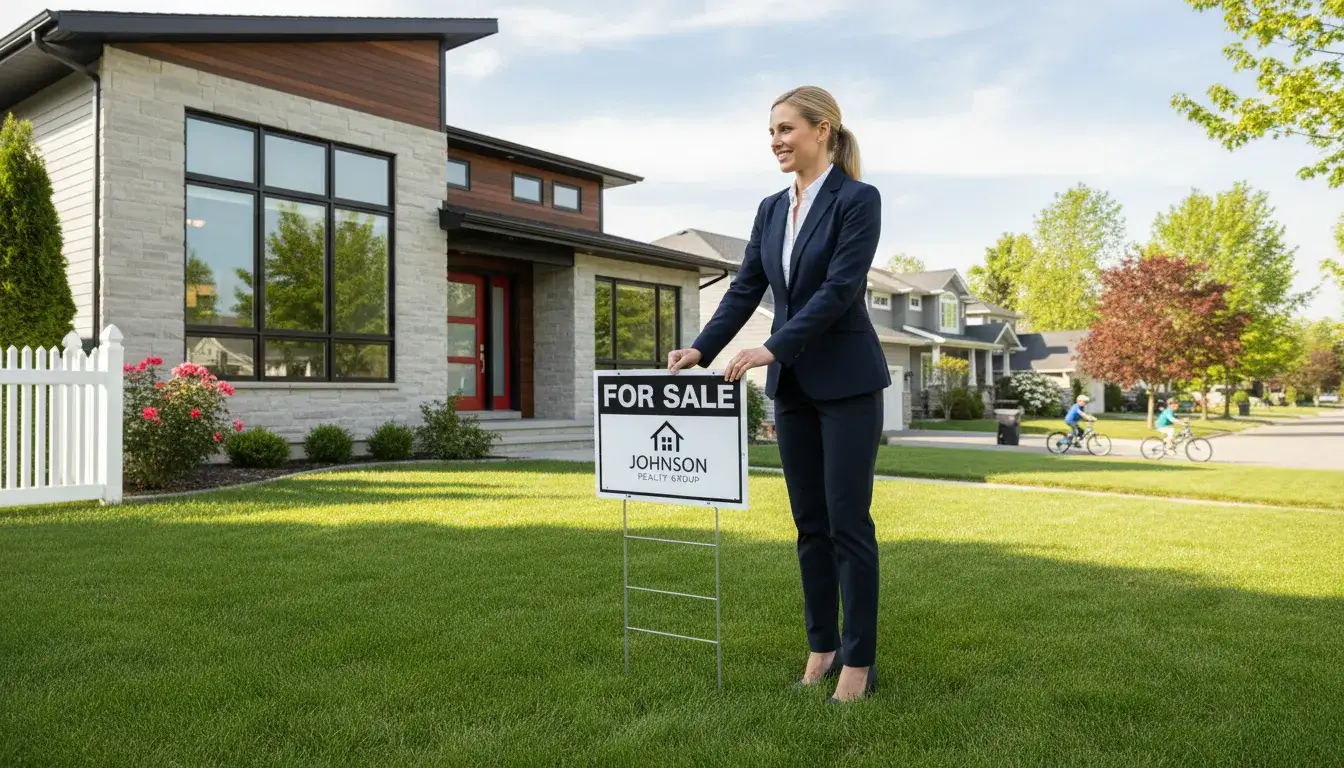

Buying your first home is exciting — but it can also be overwhelming. Between securing financing, choosing the right property, and navigating contracts, first-time buyers often make avoidable (and expensive) mistakes.
The good news? Most costly errors can be prevented with proper planning and knowledge.
In this complete guide, we’ll cover practical first-time homebuyer tips to help you make smart decisions, protect your investment, and move into your new home with confidence.
Understand Your Budget Before You Start House Hunting
One of the biggest mistakes first-time buyers make is shopping before understanding their true budget.
Get Pre-Approved — Not Just Pre-Qualified
Pre-qualification is an estimate.
Pre-approval is verification.
- Confirms how much you can borrow
- Strengthens your offer
- Prevents falling in love with a home outside your price range
Always get pre-approved before scheduling showings.
Follow the 28/36 Rule
A common affordability guideline:
- No more than 28% of your gross income on housing
- No more than 36% on total debt payments
Just because a lender approves you for a certain amount doesn’t mean you should spend it.
Don’t Forget Hidden Costs
Beyond the down payment, budget for:
- Closing costs (2%–5%)
- Property taxes
- Homeowners insurance
- HOA fees
- Maintenance and repairs
- Moving expenses
Experts recommend setting aside 1% of the home’s value annually for maintenance.
Improve Your Credit Before Applying for a Mortgage
Your credit score directly affects your interest rate. Even a small difference in rate can cost (or save) thousands over time.
Check Your Credit Early
Review your credit report months before applying for a loan. Look for:
- Errors
- High credit utilization
- Missed payments
Dispute inaccuracies and pay down balances to improve your score.
Avoid Major Financial Changes
Do not:
- Open new credit cards
- Finance a car
- Change jobs
- Make large purchases
Lenders recheck your financial profile before closing. New debt can jeopardize your loan approval.
Choose the Right Mortgage for Your Situation
Not all loans are created equal. Selecting the wrong mortgage can become an expensive long-term mistake.
Common Loan Options for First-Time Buyers
Conventional Loans
- Best for strong credit
- Competitive rates
- PMI required if under 20% down
FHA Loans
- Lower credit requirements
- 3.5% down payment
- Mortgage insurance required
VA Loans (for eligible military members)
- No down payment
- No PMI
USDA Loans
- Available in qualifying rural areas
- Low or zero down payment
Compare interest rates, loan terms, and total lifetime costs — not just monthly payments.
Never Skip the Home Inspection
In competitive markets, some buyers waive inspections to win bidding wars. This can be a costly mistake.
What an Inspection Can Reveal
- Roof damage
- Plumbing issues
- Electrical hazards
- Foundation problems
- HVAC defects
An inspection gives you negotiating power. You may request repairs or credits before closing.
Spending a few hundred dollars upfront could save you thousands later.
Research the Neighborhood — Not Just the House
First-time buyers often focus heavily on the home itself while overlooking the location.
You can remodel a kitchen.
You can’t move the neighborhood.
Evaluate:
- School districts
- Crime rates
- Commute times
- Property tax rates
- Future development plans
- Resale value potential
Drive through the area at different times of day before committing.
Avoid Emotional Buying Decisions
Buying a home is emotional — but it should also be strategic.
Don’t Let FOMO Drive You
In competitive markets, buyers may:
- Overbid
- Waive contingencies
- Ignore red flags
Stick to your budget and long-term goals.
Think Long-Term
Ask yourself:
- Will this home meet my needs in 5 years?
- Can I comfortably afford this if expenses rise?
- Does this home fit my lifestyle?
A house is both a home and an investment.
Plan for Closing Costs and Final Expenses
Many first-time buyers are surprised by closing costs.
Typical Closing Costs Include:
- Loan origination fees
- Appraisal fees
- Title insurance
- Escrow fees
- Prepaid property taxes
- Homeowners insurance
Closing costs typically range from 2%–5% of the purchase price.
Review your Loan Estimate and Closing Disclosure carefully.
Build an Emergency Fund Before Moving In
Once you own a home, repairs are your responsibility.
Common unexpected expenses:
- Water heater replacement
- HVAC repairs
- Roof leaks
- Appliance breakdown
Maintain at least 3–6 months of living expenses in savings.
FAQs About First-Time Homebuyers
1. How much should a first-time homebuyer save?
Aim for 3%–20% down payment plus 2%–5% for closing costs, and maintain emergency savings.
2. What credit score do I need to buy my first home?
Most conventional loans require 620+. FHA loans may allow 580+.
3. How long does the home buying process take?
After your offer is accepted, closing typically takes 30–60 days.
4. Is it better to put 20% down?
Putting 20% down avoids private mortgage insurance (PMI), but many buyers successfully purchase with less.
5. What is the biggest mistake first-time homebuyers make?
Overextending their budget and failing to account for hidden costs.
6. Should I buy a starter home or my “forever” home?
It depends on your long-term plans, financial stability, and market conditions.
Final Thoughts
Buying your first home is a major milestone — and a powerful step toward building long-term wealth. However, rushing into the process without preparation can lead to expensive mistakes.
By understanding your finances, choosing the right loan, budgeting for hidden costs, and avoiding emotional decisions, you can navigate the home buying process confidently and successfully.
Smart preparation today prevents financial stress tomorrow.
Call-to-Action
Ready to buy your first home the smart way?
Connect with a trusted mortgage professional or real estate expert today to review your options, get pre-approved, and create a personalized strategy that protects your investment.
Your journey to homeownership starts with informed decisions — let’s take the first step together.