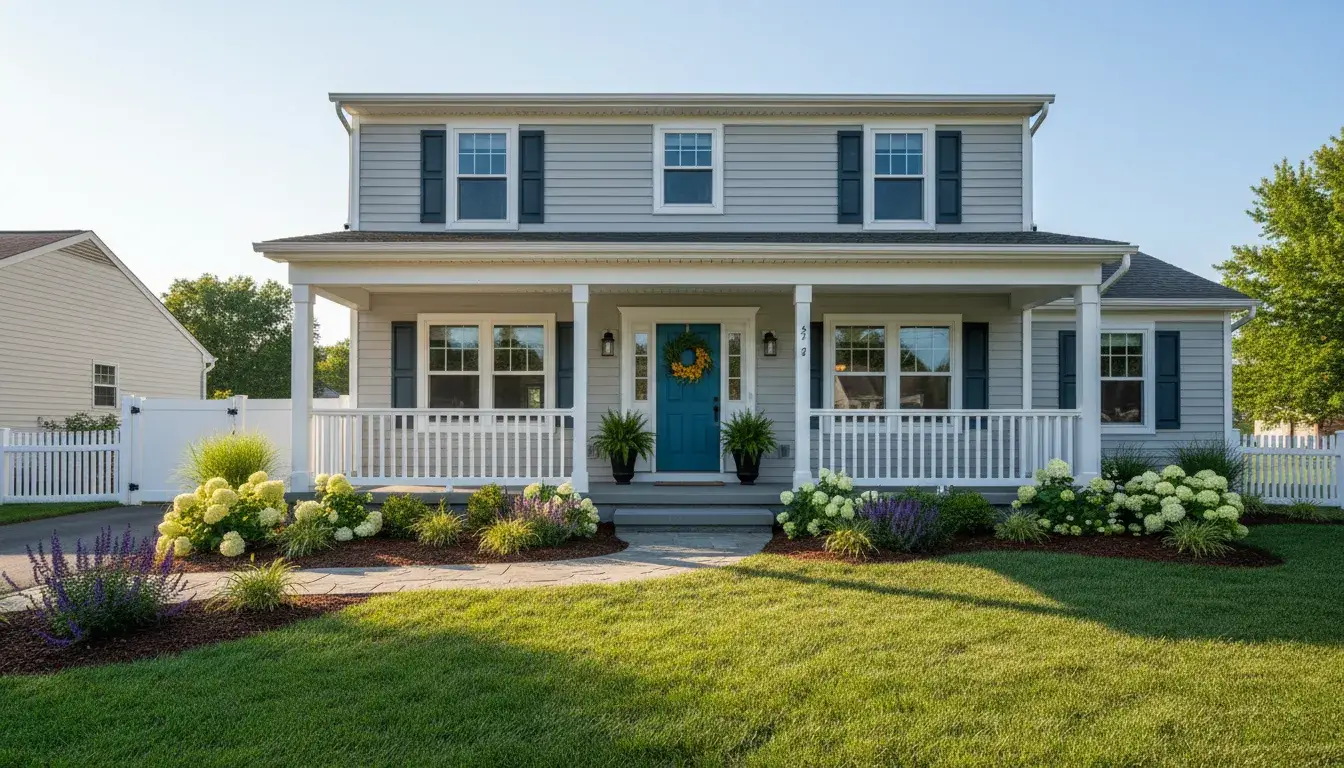

Buying a home is one of the biggest financial decisions you will ever make. Whether you’re a first-time homebuyer or returning to the market after years of renting, the process can feel overwhelming. From understanding mortgage options to budgeting for hidden costs, there are many moving parts involved.
The good news? With the right preparation and knowledge, buying a house can be an exciting and rewarding experience.
This complete guide to buying a home walks you through every step — from financial preparation to closing day — so you can avoid costly mistakes and make confident decisions.
Step 1 – Determine If You’re Financially Ready to Buy a Home
Before browsing listings online, you need to answer one important question:
Are you financially ready to buy a house?
Check Your Credit Score
Your credit score directly impacts:
- Loan approval
- Interest rates
- Monthly payments
- Mortgage insurance requirements
Most conventional loans require a minimum credit score of 620. FHA loans may allow scores as low as 580. The higher your score, the better your interest rate — potentially saving you tens of thousands of dollars over the life of your loan.
If your credit needs improvement, consider paying down debts and avoiding new credit applications before applying for a mortgage.
Calculate Your Debt-to-Income Ratio (DTI)
Lenders use your DTI ratio to determine whether you can afford a mortgage.
Formula:
Total monthly debt payments ÷ Gross monthly income = DTI
Most lenders prefer a DTI below 43%, though some programs allow higher ratios.
Build Your Savings
Buying a home requires more than just a down payment. You should prepare for:
- Down payment (3%–20%)
- Closing costs (2%–5% of the purchase price)
- Moving expenses
- Emergency fund
- Initial repairs or upgrades
Many first-time buyers make the mistake of using all their savings for the down payment. Always maintain a financial cushion after closing.
Step 2 – Understand Your Mortgage Options
One of the most frequently asked questions is:
What type of mortgage loan is best?
The answer depends on your financial situation and long-term goals.
Conventional Loans
- Ideal for buyers with strong credit
- Competitive interest rates
- May require private mortgage insurance (PMI) if down payment is under 20%
FHA Loans
- Designed for first-time buyers
- Lower down payment (as low as 3.5%)
- More flexible credit requirements
VA Loans
- Available to eligible veterans and active-duty military
- No down payment required
- No PMI
USDA Loans
- For qualifying rural areas
- Often require no down payment
Fixed-Rate vs. Adjustable-Rate Mortgages
Fixed-Rate Mortgage:
Your interest rate stays the same for the life of the loan. This provides predictable monthly payments.
Adjustable-Rate Mortgage (ARM):
Starts with a lower rate that adjusts after a set period.
If you plan to stay in your home long-term, a fixed-rate mortgage provides stability. If you plan to move within a few years, an ARM may offer short-term savings.
Step 3 – The Step-by-Step Home Buying Process
Understanding the home buying process can significantly reduce stress.
Get Pre-Approved
Mortgage pre-approval:
- Confirms how much you can borrow
- Shows sellers you’re serious
- Makes your offer more competitive
Never start house hunting without pre-approval.
Hire a Real Estate Agent
A professional real estate agent can:
- Negotiate price and terms
- Identify red flags
- Handle contracts
- Guide you through contingencies
Having an expert on your side can save you money and protect your interests.
Start House Hunting
When searching for homes, consider:
- Neighborhood safety
- School districts
- Commute time
- Property taxes
- HOA fees
- Future resale value
Remember — you can change the house, but you can’t change the location.
Make an Offer
Your agent will help you submit a competitive offer based on market conditions. Offers may include contingencies for:
- Inspection
- Financing
- Appraisal
Schedule a Home Inspection
Never skip the inspection. It can uncover costly issues such as:
- Roof damage
- Plumbing problems
- Electrical hazards
- Foundation issues
If problems are found, you may renegotiate or request repairs.
Close on the Home
Once your loan is approved, you’ll:
- Review final loan disclosures
- Sign documents
- Pay closing costs
- Receive the keys
The closing process typically takes 30–60 days from accepted offer.
Step 4 – Hidden Costs of Buying a Home
Many buyers underestimate the true cost of homeownership.
Beyond the purchase price, budget for:
- Closing costs (2%–5%)
- Home inspection fees
- Appraisal fees
- Property taxes
- Homeowners insurance
- HOA fees
- Maintenance and repairs
- Utility setup
- Landscaping
Experts recommend setting aside 1% of the home’s value annually for maintenance.
Step 5 – Common Mistakes to Avoid When Buying a House
Avoid these costly mistakes:
Skipping Pre-Approval
Without pre-approval, you risk losing out on homes or shopping outside your budget.
Overextending Your Budget
Just because you’re approved for a large amount doesn’t mean you should spend it all.
Making Major Financial Changes
Avoid changing jobs, financing a car, or opening new credit accounts before closing.
Waiving Inspections Without Understanding the Risk
In competitive markets, some buyers waive inspections — which can lead to unexpected repair bills.
Ignoring Long-Term Affordability
Consider future expenses such as property taxes, insurance increases, and maintenance costs.
FAQs About Buying a Home
How much money do I need to buy a home?
Most buyers need 3%–20% for a down payment plus 2%–5% for closing costs. Some programs require less.
What credit score is needed to buy a house?
Typically 620+ for conventional loans and 580+ for FHA loans. Higher scores secure better rates.
How long does it take to buy a home?
Once your offer is accepted, the process usually takes 30–60 days.
Should I get pre-approved before house hunting?
Yes. Pre-approval strengthens your offer and clarifies your budget.
What are closing costs?
Closing costs include lender fees, appraisal, title insurance, escrow fees, prepaid taxes, and insurance.
Is it better to rent or buy?
Buying builds equity over time, while renting offers flexibility. Your financial situation and long-term plans will determine the best option.
Final Thoughts
Buying a home is both a financial investment and a personal milestone. Preparation is key. When you understand your finances, explore loan options carefully, and follow a structured buying process, you dramatically increase your chances of success.
With the right planning, homeownership can provide stability, equity growth, and long-term wealth-building opportunities.
Call-to-Action
Ready to start your home buying journey?
Connect with a trusted mortgage professional or real estate expert today to get pre-approved, review your financing options, and take the first confident step toward owning your dream home.
Your future home is waiting — let’s make it yours.