Selling your home is a major financial transaction — and one that requires careful planning, strategic pricing, and smart negotiation. Whether you’re a first-time seller or have sold property before, understanding the home selling process from listing to closing can help you avoid costly mistakes and maximize your profit.
In this complete guide, we break down each stage of the home selling journey so you know exactly what to expect.
Step 1 – Prepare Your Home for Sale
Before you list your property, preparation is everything. First impressions matter, and buyers often decide how they feel about a home within seconds.
Declutter and Depersonalize
Buyers want to imagine themselves living in your home. Remove:
- Personal photos
- Excess furniture
- Cluttered décor
- Unnecessary items
Clean, neutral spaces help your home appeal to a broader audience.
Make Necessary Repairs
Fix obvious issues such as:
- Leaky faucets
- Cracked tiles
- Peeling paint
- Broken fixtures
Minor updates can significantly improve perceived value.
Consider Home Staging
Professional staging can make rooms appear larger, brighter, and more functional. Staged homes often sell faster and for higher prices.
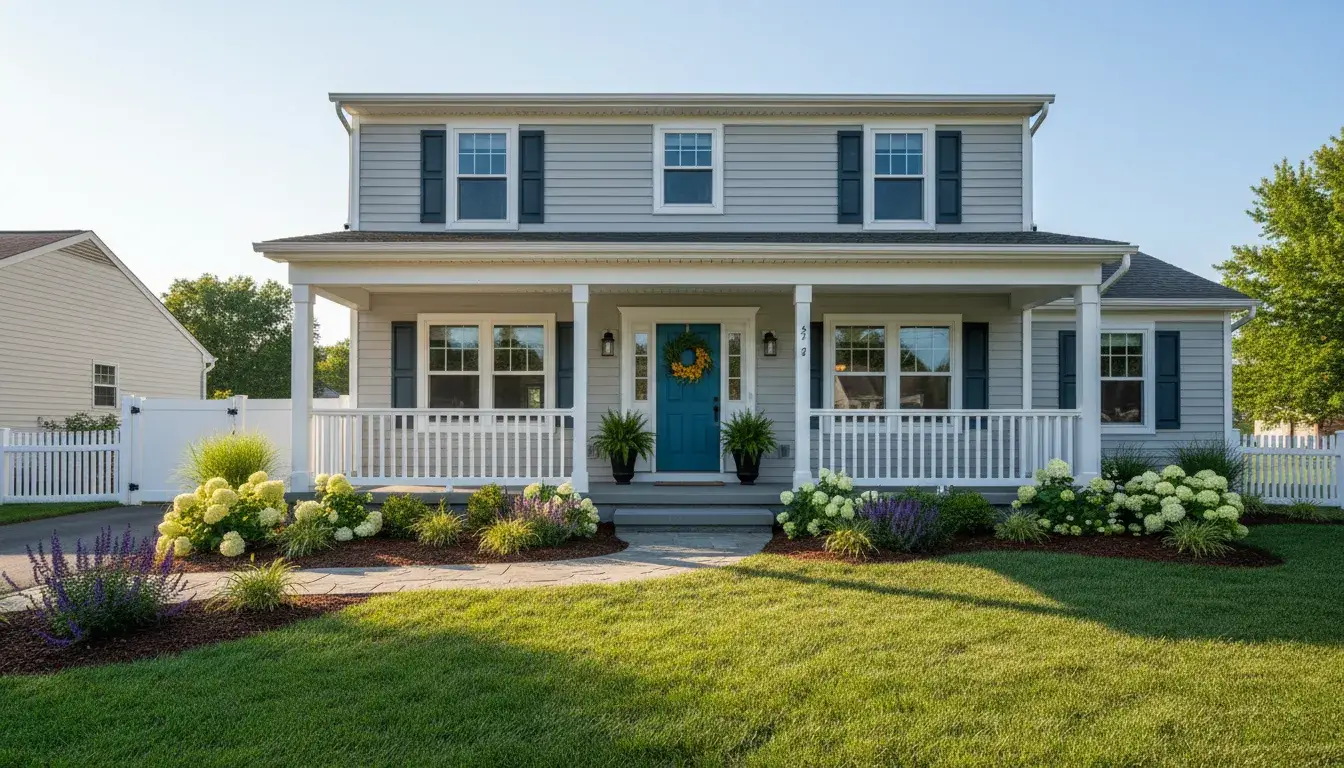
Boost Curb Appeal
Exterior improvements matter. Maintain:
- Landscaping
- Lawn care
- Clean walkways
- Fresh exterior paint (if needed)
Your home’s exterior sets the tone for showings.
Step 2 – Determine the Right Listing Price
One of the most important decisions in the home selling process is pricing your home correctly.
Conduct a Comparative Market Analysis (CMA)
A real estate agent will review:
- Recently sold homes
- Similar active listings
- Local market conditions
- Neighborhood demand
Overpricing can lead to longer days on market. Underpricing can leave money on the table.
Understand Market Conditions
- Seller’s Market: High demand, low inventory
- Buyer’s Market: More competition, price-sensitive buyers
- Balanced Market: Equal negotiating power
Your pricing strategy should align with current conditions.
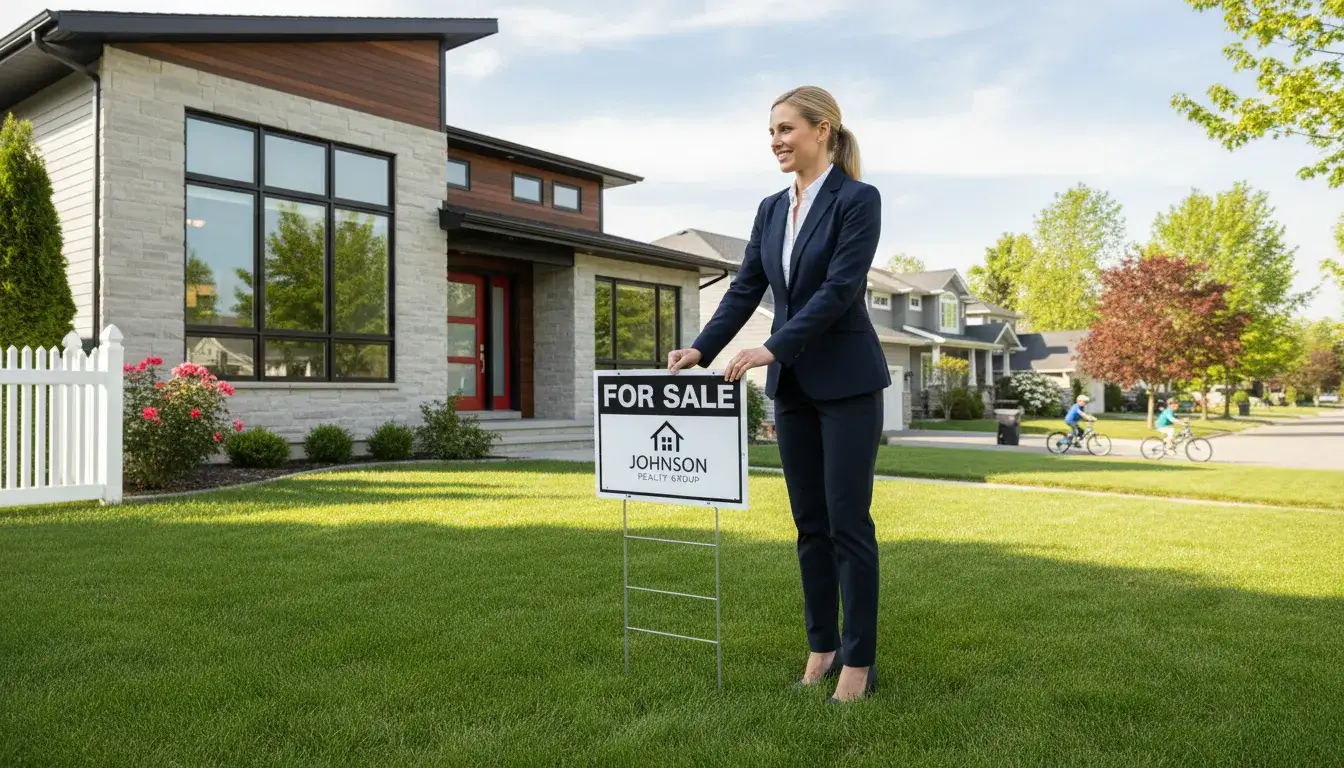
Step 3 – List and Market Your Property
Once your home is ready and priced properly, it’s time to list.
Professional Photography and Virtual Tours
High-quality images are essential. Most buyers begin their search online. Listings with professional photos attract more interest and showings.
MLS Listing and Online Exposure
Your agent will list the home on:
- Multiple Listing Service (MLS)
- Real estate websites
- Social media platforms
The goal is maximum visibility.
Host Showings and Open Houses
Be flexible with showing times. The more accessible your home is, the faster it may sell.
Keep your home clean and show-ready at all times.
Step 4 – Review and Negotiate Offers
Receiving an offer is exciting — but it’s only the beginning of negotiations.
Evaluate More Than Just Price
Consider:
- Financing type
- Contingencies
- Closing timeline
- Earnest money deposit
- Buyer flexibility
The highest offer isn’t always the strongest offer.
Counteroffers and Negotiation
You can:
- Accept the offer
- Reject it
- Submit a counteroffer
Your real estate agent plays a crucial role in negotiating favorable terms.
Step 5 – Inspection and Appraisal
Once under contract, the buyer will typically schedule inspections and the lender will order an appraisal.
Home Inspection
Inspectors evaluate:
- Roof condition
- Plumbing
- Electrical systems
- Foundation
- HVAC systems
If issues arise, buyers may request repairs or credits.
Home Appraisal
The lender orders an appraisal to confirm the home’s value. If the appraisal comes in lower than the agreed price, renegotiation may occur.
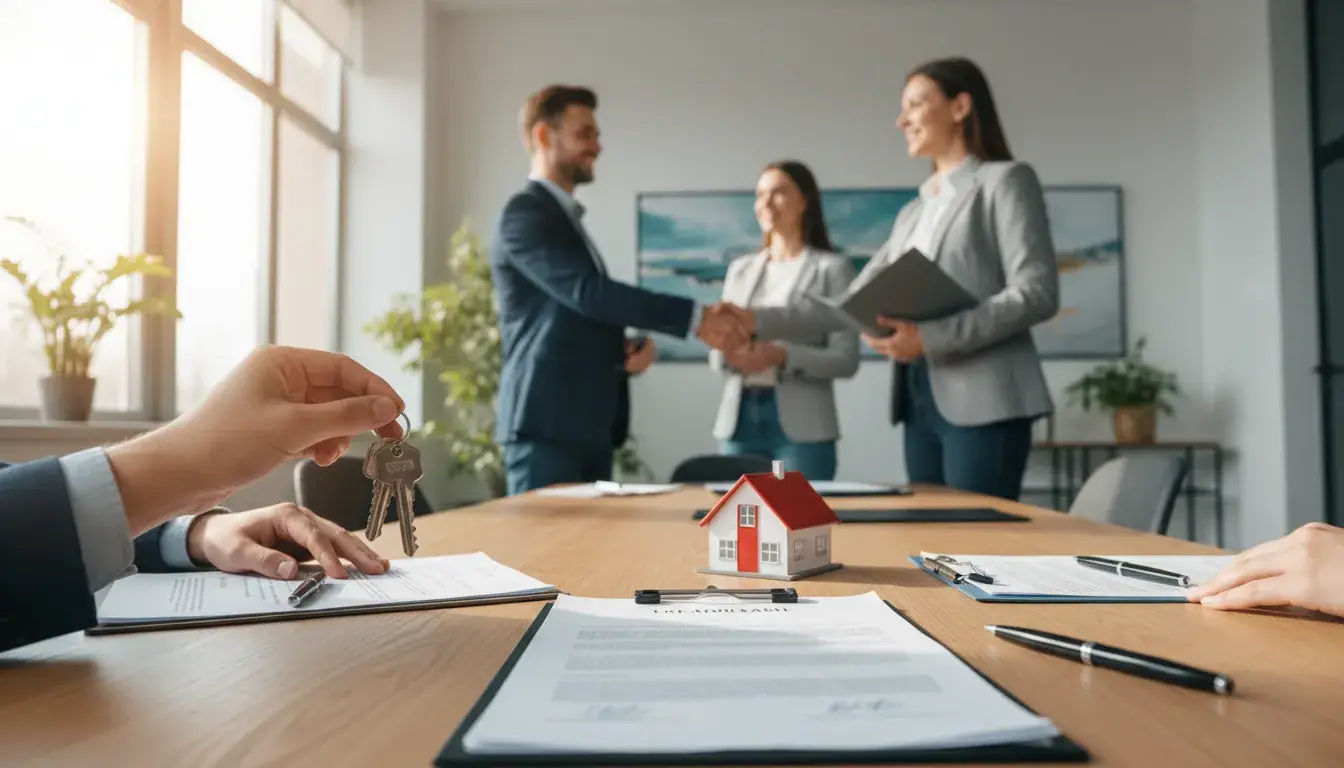
Step 6 – Closing the Sale
The final stage of the home selling process is closing.
Final Walkthrough
Buyers perform a final walkthrough to ensure:
- Agreed repairs are completed
- Property condition remains the same
- No new damage has occurred
Closing Day
At closing, you will:
- Sign transfer documents
- Pay outstanding mortgage balance
- Cover closing costs
- Transfer ownership
Once completed, funds are disbursed and the transaction is finalized.
From listing to closing, the process typically takes 30–60 days after accepting an offer.
Common Home Selling Costs
Many sellers ask: What costs are involved in selling a home?
Typical expenses include:
- Real estate agent commission (5%–6%)
- Closing costs (1%–3%)
- Repairs and staging
- Moving expenses
- Mortgage payoff
- Capital gains taxes (if applicable)
Understanding these costs helps you estimate your net proceeds.
FAQs About the Home Selling Process
1. How long does it take to sell a house?
On average, homes sell within 30–60 days after listing, depending on market conditions.
2. Do I need a real estate agent to sell my home?
While you can sell by owner, an experienced agent can help with pricing, marketing, negotiations, and paperwork.
3. What repairs should I make before selling?
Focus on visible and functional repairs that improve buyer confidence and property value.
4. What is a home appraisal?
An appraisal determines the property’s fair market value for the buyer’s lender.
5. Can I sell my home while still living in it?
Yes. Many sellers live in their homes during the listing period but must keep it show-ready.
6. What happens if the buyer backs out?
If contingencies aren’t met, buyers may legally withdraw. You may retain earnest money depending on contract terms.
Final Thoughts
The home selling process explained from listing to closing may seem complex, but when broken into manageable steps, it becomes far more approachable.
Preparation, proper pricing, strategic marketing, and skilled negotiation are the keys to a successful sale. With the right guidance and planning, you can sell your home efficiently and maximize your return.
Call-to-Action
Thinking about selling your home?
Connect with a trusted real estate professional today to receive a personalized home valuation and expert guidance through every step — from listing to closing.
Your successful sale starts with the right strategy.